Insect Bites and Stings: What to Reach for When Summer Bugs Strike

Summer brings sunshine, gardening, hiking, camping, and unfortunately, bug bites.
Whether it's a mosquito bite that swells to the size of a golf ball, a painful bee sting, an itchy cluster of flea bites, or a tick bite discovered after a walk in the woods, insect bites are among the most common acute complaints encountered in homeopathic practice.
The good news is that homeopathy offers several remedies that can often provide rapid relief when matched to the symptoms.
Let's look at some of the most useful remedies to keep on hand during bug season.
Apis Mellifica: The Swollen Bee Sting Remedy
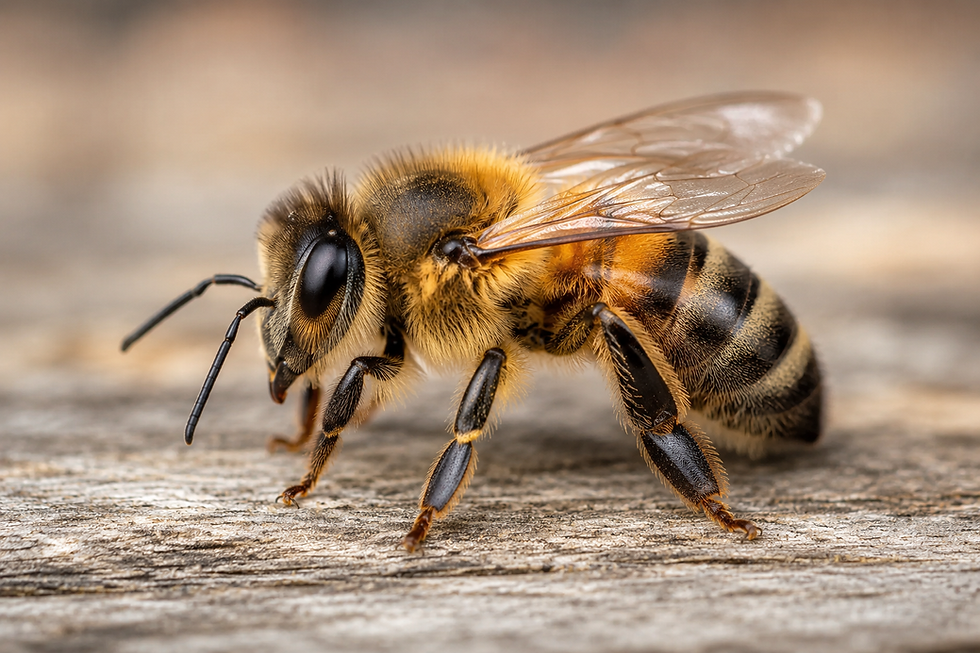
If there is one remedy that belongs in every summer remedy kit, it is Apis mellifica.
Prepared from the honeybee, Apis is often indicated whenever a bite or sting produces:
Rapid swelling
Puffy tissues
Pink or rosy redness
Stinging or burning pain
Better cold applications
Worse heat
Think of the classic child who gets a mosquito bite and wakes up with an eye swollen nearly shut. If the area is puffy, hot, and feels better from a cool compress, Apis may be the first remedy to consider.
Common uses include:
Bee stings
Wasp stings
Mosquito bites
Eyelid swelling after bites
Large local reactions
Ledum Palustre: The Puncture Wound Remedy
Ledum is one of the most famous remedies for puncture wounds and insect bites.
Its keynote is simple:
Think puncture.
Ledum is often used for:
Tick bites
Mosquito bites
Unknown insect bites
Puncture wounds from thorns or nails
A peculiar feature of Ledum is that the affected area often feels better from cold applications and may even feel cool to the touch.
Many homeopaths routinely keep Ledum on hand during tick season.
Urtica Urens: The Itching Remedy

Prepared from the stinging nettle plant, Urtica urens shines when itching is the dominant symptom.
The person may develop:
Intense itching
Raised welts
Hive-like reactions
Burning and prickling sensations
This remedy is especially helpful for children who simply cannot stop scratching.
Think:
Mosquito bites
Hives
Multiple itchy bites
Reactions that resemble nettle rash
Cantharis: When the Burning Is Intense
Cantharis is best known for burns, but it can also be helpful when insect bites produce intense burning pain.
The hallmark symptom is:
The burning seems far worse than the appearance would suggest.
Consider Cantharis when there is:
Severe burning
Blister formation
Rawness
Significant inflammation
Hypericum: For Nerve Pain
Not all bites hurt in the same way.
Hypericum is particularly useful when the pain is:
Sharp
Shooting
Tingling
Radiating
This remedy is especially valuable when bites occur in nerve-rich areas such as:
Fingertips
Lips
Ears
Toes
If the pain seems to travel or shoot, think Hypericum.
Arnica: When the Area Feels Bruised
Sometimes the bite itself is not the main problem.
Children often scratch until the skin becomes tender and sore.
Arnica may be useful when:
The area feels bruised
The tissues are sore to touch
Excessive scratching has caused trauma
Calendula: Supporting Skin Healing
Calendula is one of the best-known remedies for supporting skin healing.
It may be helpful when:
Skin has been broken by scratching
The bite is healing slowly
Local tissue support is desired
Calendula is often used as a complementary remedy rather than the primary acute prescription.

Formica Rufa: The Over-Reactor
Formica rufa is prepared from the red wood ant.
Although it is not as commonly used as Apis or Ledum, it deserves a place in the discussion.
Think of Formica rufa when:
The reaction seems excessive for the bite
Redness and swelling linger
The inflammatory response appears disproportionate
Multiple bites create a strong reaction
The sensations may include:
Burning
Itching
Prickling
Needle-like pains
Formica rufa becomes particularly interesting in individuals who seem to overreact to insect bites or who have a constitutional tendency toward rheumatic complaints.
Which Remedies for Which Bugs?
Mosquito Bites
Top remedies:
Apis mellifica
Ledum palustre
Urtica urens
Tick Bites
Top remedies:
Ledum palustre
Hypericum
Calendula
Bee Stings
Top remedies:
Apis mellifica
Ledum palustre
Hypericum
Wasp and Hornet Stings
Top remedies:
Apis mellifica
Cantharis
Hypericum
Ant Bites
Top remedies:
Formica rufa
Apis mellifica
Ledum palustre
Black Fly Bites
Top remedies:
Apis mellifica
Ledum palustre
Urtica urens
How Quickly Should a Remedy Work?
Acute insect bite remedies often act quickly when well selected.
You may notice:
Less itching
Less swelling
Reduced redness
Improved comfort
within 15 to 60 minutes in mild cases.
Larger local reactions may take several hours to improve and sometimes up to 24 hours.
The Three Remedies Every Family Should Know
If you only remember three remedies for insect bites, make them these:
Apis Mellifica
Think: Swelling
Ledum Palustre
Think: Puncture wounds
Urtica Urens
Think: Itching
Together, these three remedies will cover the majority of common insect bite reactions encountered during the summer months.
Final Thoughts
One of the most helpful ways to learn acute homeopathy is to focus on the sensation.
Ask yourself:
Is it stinging?
Is it itching?
Is it burning?
Is it swollen?
Is it a puncture wound?
The answer often points directly toward the remedy.
A useful shortcut is:
Stinging and swelling = Apis
Puncture wound = Ledum
Intense itching = Urtica urens
Burning pain = Cantharis
Nerve pain = Hypericum
Excessive inflammatory response = Formica rufa


Comments