Fever: Friend, Foe, and How Homeopathy Can Help
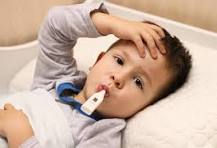
When your temperature climbs, it can feel like your body is in crisis. But fever isn’t just an enemy—it’s one of your body’s oldest, most intelligent defenses. From Hippocrates to Hahnemann, physicians have observed that when fever is understood and respected, it can guide us to deeper healing.
What Exactly Is a Fever?
A fever is a regulated rise in body temperature, typically above 100.4°F (38°C), controlled by the hypothalamus. Unlike heat stroke (where temperature rises uncontrollably), fever is a deliberate response by the immune system to an invader—whether bacteria, virus, or other cause.
Why the Body Creates Fever
When pathogens invade, immune cells release pyrogens—chemical messengers that signal the brain’s thermostat to turn up the heat. This has several benefits:
Inhibits pathogen growth: Many microbes multiply less efficiently at higher temperatures.
Speeds up immune reactions: White blood cells work faster in warmer environments.
Signals rest: Fever encourages us to slow down, conserve energy, and heal.
In short: fever is part of the cure, not just a symptom.
Common Causes of Fever
Infections (viral, bacterial, parasitic)
Inflammatory conditions (autoimmune flares, tissue injury)
Heat-related illness (heat exhaustion can progress to dangerous hyperthermia)
Drug reactions or post-vaccination responses
Malignancy-related fevers (less common)
The Homeopathic View of Fever
Homeopathy regards fever as a vital expression of the body’s self-healing force. Hahnemann emphasized observing the totality of symptoms—not just the temperature reading:
How did the fever start? (Suddenly or gradually?)
What are the modalities? (Worse at night? Better from covering?)
Are there accompanying symptoms? (Thirst, sweating, shivering, delirium?)
What is the emotional state? (Restless, fearful, apathetic?)
The quality of the fever gives clues to the appropriate remedy—because two people with the same temperature might need entirely different medicines.
Key Homeopathic Remedies for Fever
1. Aconitum napellus
Picture: Sudden high fever after exposure to cold wind; intense restlessness and anxiety.
Clues: Skin dry and hot; early stages of inflammation; fearful they may die.
When to use: First hours of a sudden febrile illness in a generally robust individual
2. Belladonna
Picture: High, bounding fever with flushed face, dilated pupils, throbbing headache.
Clues: Skin hot and dry; sudden onset; hypersensitivity to light, noise, touch.
When to use: Intense, acute inflammation—often in head or throat.
3. Ferrum phosphoricum
Picture: Slow onset of mild to moderate fever; fewer marked symptoms.
Clues: Early stage of respiratory infections; slight flushing; fatigue.
When to use: “In-between” state before a clear picture of another remedy appears.
4. Gelsemium sempervirens
Picture: Slow onset; low-grade fever with great drowsiness and weakness.
Clues: Heavy eyelids, chills up and down the spine; lack of thirst.
When to use: Influenza-like fevers with prostration.
5. Bryonia alba
Picture: Gradual onset; fever with body aches; irritable; wants to be still.
Clues: Intense thirst for large quantities; worse from movement.
When to use: Respiratory or pleuritic fevers with pain on breathing.
6. Rhus toxicodendron
Picture: Fever with restlessness; body aches better from continued movement.
Clues: Often follows getting wet while perspiring; stiffness improves as they keep moving.
When to use: Febrile states with joint/muscle pain, influenza, or viral rash.
When to Support, When to Act Quickly
Fever is often beneficial and doesn’t always require suppression.Observation is key:
Safe to monitor at home: Low to moderate fever in an otherwise healthy person, responsive and drinking fluids.
Seek medical help urgently if:
Fever above 104°F (40°C) in adults
Any fever in an infant under 3 months
Persistent high fever >3 days
Confusion, stiff neck, rash, or difficulty breathing
Signs of dehydration or seizures
How Homeopathy Helps
Acute support: Selected remedies can often shorten the course of fever and improve comfort.
Reducing complications: By supporting the vital force, remedies may help prevent illness from moving deeper into the system.
Individualization: Unlike generic fever reducers, homeopathy tailors support to the exact way the fever presents.
Practical Tips for Fever Care
Rest in a quiet, comfortable environment.
Drink plenty of fluids (water, herbal teas, broths).
Avoid over-bundling unless there are chills—let the body regulate its own temperature.
Observe changes closely; the “symptom picture” is your guide to remedy choice.
Final Thoughts
Fever is not the enemy—it’s a sign that your body is working hard to restore health. With homeopathy, the goal isn’t to crush the fever but to work with the body, guiding it through the illness safely and effectively. Knowing when to watch, when to treat, and when to seek help is the art of intelligent fever care. If you need help choosing a remedy for a fever, please reach out: https://www.livingwellhomeopathy.com/appointments


Comments