Chikungunya Virus: A Rising Threat and the Role of Homeopathy in Healing Naturally
Updated: Aug 8, 2025
Chikungunya Virus: A Rising Threat and the Role of Homeopathy in Healing Naturally
In recent weeks, China has been grappling with an unprecedented outbreak of chikungunya, a mosquito-borne viral infection once limited to parts of Africa, Asia, and the Americas. With over 7,000 cases reported in Foshan, near Hong Kong, public health officials are on high alert—and so are the millions of people living in areas newly at risk.
While the virus typically causes fever, fatigue, and rash, its most distinguishing feature is severe joint pain—often described as bending the body in pain, which is how it got its name (from the Makonde language: “that which bends up”). In rare cases, chikungunya can result in debilitating, long-term arthritis-like symptoms, and in vulnerable populations such as infants or the elderly, organ damage or even death may occur.
As conventional medicine offers only symptomatic relief—and no widely available treatment—homeopathy presents an effective, gentle, and individualized approach to supporting recovery from chikungunya and helping prevent complications.
🌿 What Is Chikungunya, and Why Is It Spreading?
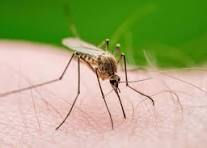
Chikungunya is spread by infected Aedes mosquitoes—the same culprits behind dengue and Zika. As global temperatures rise and rainfall patterns shift, mosquito-borne viruses are expanding into new geographic areas, and outbreaks like the one in China are becoming more common.
Symptoms usually begin 4–8 days after the mosquito bite and include:
High fever
Severe muscle and joint pain
Rash
Fatigue
Headache
Nausea or vomiting
In most people, the illness resolves in 7–10 days, but up to 50% experience long-lasting joint pain that can mimic rheumatoid arthritis.
🩺 The Homeopathic Approach to Chikungunya
In homeopathy, we don’t treat the name of the disease—we treat the person. That said, patterns have emerged over the years during chikungunya outbreaks around the globe. Based on existing literature and clinical observation, several remedies stand out for their ability to reduce suffering during the acute phase and prevent lingering complications like chronic arthralgia.
🔍 Top Homeopathic Remedies for Chikungunya
1. Eupatorium perfoliatum
Keynotes: Intense bone pain as if the bones are broken, chills and high fever, sore muscles, headache.
Why it's used: This is one of the foremost remedies in fever with severe body ache, especially when the patient feels like “every bone is breaking.”
Indications: Chikungunya with deep aching in the bones and flu-like symptoms.
2. Bryonia alba
Keynotes: Pain aggravated by movement, relief from rest and pressure, very thirsty, irritable.
Why it's used: For joint and muscle pain worsened by motion—a common symptom in chikungunya’s post-viral phase.
Indications: Chronic joint stiffness or pain lingering after the acute infection has passed.
3. Rhus toxicodendron
Keynotes: Pain worse after rest and better with continued motion, restlessness, stiffness on first movement, skin rash.
Why it's used: Excellent for post-viral arthritis, especially when symptoms improve after moving around.
Indications: Joint stiffness, skin rash, restlessness.
4. Gelsemium sempervirens
Keynotes: Heaviness, weakness, trembling, headache with heavy eyelids, no thirst.
Why it's used: When exhaustion and weakness dominate the picture. Often used in viral fevers.
Indications: Chikungunya with flu-like fatigue, dizziness, and muscular weakness.
5. Arsenicum album
Keynotes: Restlessness, burning pain, thirst for sips, anxiety, weakness.
Why it's used: For more serious or toxic-feeling cases, especially in the elderly or immunocompromised.
Indications: Vomiting, diarrhea, severe fatigue, burning sensations, anxiety during illness.
6. China officinalis (Cinchona)
Keynotes: Weakness from fluid loss, periodic fevers, bloating and digestive upset.
Why it's used: For post-viral debility, anemia-like weakness, and dehydration after fevers.
Indications: Lingering weakness, exhaustion, or bloating post-chikungunya.
7. Ferrum phosphoricum
Keynotes: Low-grade fever, early stage of inflammation, lack of strong characteristic symptoms.
Why it's used: Often recommended in the first stage of fevers before specific symptoms emerge.
Choosing the Right Remedy
A skilled homeopath will choose a remedy based on your individual symptom picture, your constitution, and your body’s specific response to the virus—not just the diagnosis. For example:
Two patients with fever and joint pain may receive entirely different remedies—one restless and chilly (Rhus tox), and another listless and hot (Gelsemium).
A patient who recovers physically but becomes emotionally anxious or fearful afterward may require a remedy like Aconite or Ignatia.
Prevention and Recovery
Some homeopaths working in endemic areas also use genus epidemicus remedies—those found to work for most cases in a specific outbreak. In past chikungunya epidemics, Eupatorium perf., Bryonia, Rhus tox, and Gelsemium were frequently used successfully both prophylactically and acutely.
If you live in or are traveling to an area with ongoing outbreaks:
Work with a qualified homeopath to strengthen your immune system
Consider a preventive remedy based on the genus epidemicus of that specific outbreak
Support recovery with constitutional treatment if symptoms linger
Treating the Whole Person
Homeopathy doesn’t just look at virus + symptom = pill. Instead, we ask:
How is this illness manifesting in you?
What is your body's individual response?
Are there mental, emotional, or energetic symptoms that are equally relevant?
For those with lingering joint pain, fatigue, or emotional aftereffects, chronic constitutional care is recommended. In cases where the immune system remains activated or inflammation becomes systemic, deeper-acting remedies may be needed.
Final Thoughts: A Gentle Yet Powerful Tool
As chikungunya continues to spread into new territories, it reminds us that global health threats require both local and individualized responses. While conventional medicine focuses on symptom suppression and containment, homeopathy aims to support the body’s own wisdom, enhancing resilience and restoring balance.
If you or someone you love is suffering from chikungunya—or recovering but not feeling back to normal—homeopathy can offer safe, natural support without side effects.
Need Guidance?If you're experiencing symptoms or want help building immunity with homeopathy, feel free to reach out. Together, we can create a personalized healing plan that supports your body and mind—naturally: livingwellhomeopathy.com , livingwellhomeopathy@gmail.com
Stay safe, and stay well!


Comments